Rust Infiltration of the Richest Clan
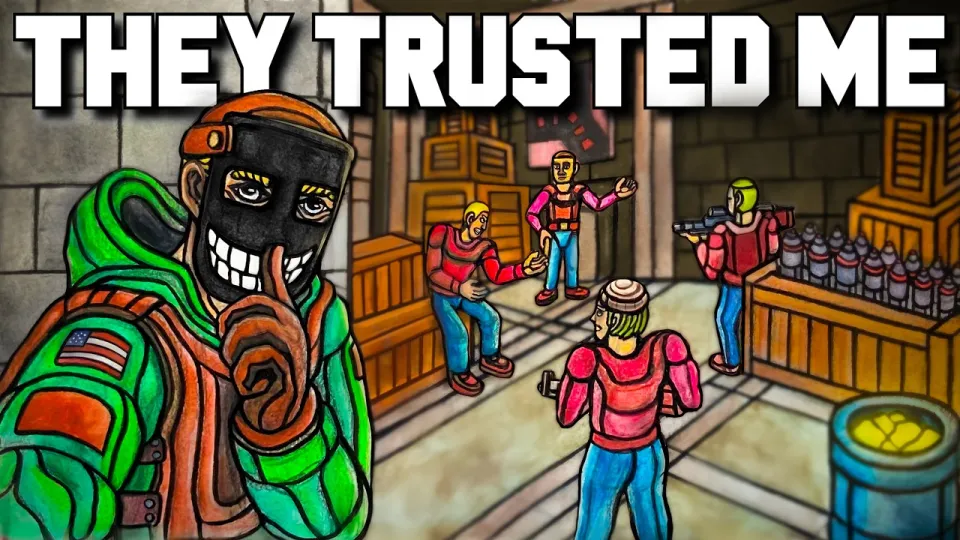
Video: I Secretly Drained Loot from the RICHEST CLAN - Rust (Movie)
You can order the same kind of articles for your own video to boost it on YouTube and Google. Just message the Telegram bot @sat_sit_bot. Articles with your video embedded are written and posted by the bot itself — on popular topical sites (no ads). Try it free: 50 articles on us.
· based on the channel Welyn
Rust is a survival game where the biggest advantage usually goes to the clan with the most players and the most explosives, but Welyn's full-length movie shows a different route: get inside the richest clan on the server and take its loot from within. Instead of farming sulfur for a raid, he earns the clan's trust, learns where everything is stored, and drains the stockpile piece by piece while playing the role of a loyal member. You can follow his regular solo and group adventures through his Instagram page, where he posts updates between wipes.
What the Rust infiltration movie is about
The premise is simple and ruthless: the strongest group on the server is not attacked, it is joined. Welyn presents himself as a helpful new recruit, contributes to clan chores, and gradually maps the base — where the boxes sit, who holds the codes, when the compound is empty. The heist is a slow drip rather than a single explosion, so the clan keeps believing its stock is intact while crates quietly empty out. The format is a movie rather than a highlight reel, split into six chapters that move from first contact with the group to the final accounting of what was stolen. It is a solo survival story told through social engineering, and the tension comes from the risk of being caught rather than from a rocket hitting a wall.
How the loot drain actually works
Insider theft in Rust follows a repeatable pattern, and the movie walks through it in order:
- Get in. Approach the clan as a useful, low-maintenance player who farms, builds and does not cause drama.
- Learn the layout. Note where the main loot rooms are, which boxes hold components, and where the good weapons are kept.
- Find the weak point in permissions. Clan bases usually have shared boxes, unlocked doors or tool cupboards that trusted members can reach.
- Move small amounts. Taking one stack at a time is far less noticeable than emptying a box, which is why the drain is spread across a long session.
- Stash outside. Loot goes to a separate solo base or a hidden stash so a single mistake does not cost everything.
- Keep up appearances. Continue doing clan chores and showing up for fights so nobody starts checking the boxes.
The economics matter here. A rich clan on a populated server can hold thousands of scrap, large stockpiles of sulfur and metal, and rows of guns that a solo player would need dozens of hours to match. Skimming even a fraction of that stockpile changes a solo wipe completely, and it costs no explosives at all.
Memelicky, the second spy inside the clan
The best twist in the story is that Welyn was not the only infiltrator. Another player, Memelicky, was running the same scheme inside the same clan and had a personal reason for it: the group had raided him three times and never remembered who he was. The two recognise what the other is doing, level with each other, and effectively become partners in the con instead of competitors. That alliance turns a one-man hustle into a coordinated operation, with two people covering for each other, sharing information about the base, and keeping the act going in front of the clan. The handshake moment between the two spies is the emotional centre of the movie, and it is the part viewers respond to most — a rare case in Rust where two strangers with identical plans meet and decide to trust each other.
The clan side of the story
A heist only works if the victims are believable, and the richest clan here is not a cartoon villain. Members such as Lando and Written come across as relaxed, competent players who are simply enjoying their wipe, and Lando in particular keeps pulling out oddly specific technical knowledge that makes the group feel real rather than scripted. That is exactly what makes the infiltration tense: the clan is friendly, organised and generous with its new recruit, which is precisely the trust being exploited. The humour lands because the audience knows the salary joke — from the inside, the stolen loot almost looks like payment for the farming and building the recruit is doing. The clan's reaction afterwards, warm rather than furious, is part of why the story reads as a caper instead of a grudge.
Typical questions about Rust clan infiltration
Players who watch the movie usually ask the same practical things, and the answers come down to server rules and social skill rather than mechanics:
- Is this allowed? On most vanilla servers, yes. Betrayal, espionage and stealing from teammates are part of the game's design; only exploiting bugs or hacking crosses the line.
- How long does it take? Building enough trust to be left alone near the loot typically takes several hours of real contribution, not minutes.
- What is the biggest risk? Getting caught mid-transfer. A single clanmate walking into the loot room at the wrong moment ends the run and usually the base access.
- Why not just raid? A raid against a large, active clan needs enormous sulfur investment and often ends with the clan rebuilding; infiltration costs time instead of resources.
Where to find Welyn's other Rust content
Beyond the long-form movies, Welyn streams live and posts shorter clips, updates and behind-the-scenes material across several platforms. The main places to look:
- Instagram — updates and posts between videos
- Twitch — live Rust sessions
- Clips channel on Instagram — short highlights
- X — announcements and schedule
- Thumbnail art by Reidsintoart — the artwork used on the video
Final takeaway
This Rust movie works because it treats a survival game as a social one: the decisive weapon is not a rocket but a believable personality and patience. The combination of a solo player inside the richest clan, a second spy with a grudge, and a loot drain spread over hours makes it one of the most complete stories on the channel. Welyn structures the six chapters so the tension builds from introductions to the final haul, and the result is a heist film made entirely out of game mechanics. If you want more of this style of solo survival storytelling, follow Welyn on Instagram and keep an eye on the next wipe.
Key takeaways
- Welyn goes undercover inside the richest clan on the server instead of raiding it from the outside.
- A second infiltrator, Memelicky, was running the same con and had already been raided by the clan three times.
- The loot leaves the compound through insider access, not explosives, in a slow-drip heist.
- Clan members Lando and Written appear in the story as the crew Welyn is quietly robbing.
- The full movie runs in six chapters, from the intro to the final haul.
Questions & answers
Is infiltrating a clan and stealing loot against Rust's rules?
On standard servers it is allowed. Rust is built around player conflict, and betrayal, espionage and taking items from teammates are considered part of the game. Only cheating, such as hacks or bug exploits, is punished by server admins.
How much loot can a solo player actually gain from a clan heist?
It depends on the clan's stockpile, but a rich group can hold thousands of scrap plus large amounts of sulfur, metal and guns. Even skimming a fraction of that over several hours can fund a full solo wipe without spending any explosives.
Who is Memelicky in the video?
Memelicky is a second player running the same infiltration against the same clan, motivated by having been raided by them three times without being remembered. He and Welyn recognise each other's scheme and team up instead of competing.
Why infiltrate instead of raiding the clan base?
Raiding a large, active clan requires a huge sulfur investment and often ends with the group rebuilding quickly. Infiltration costs time and social effort instead of resources, and the clan does not realise it is being robbed until the loot is already gone.
Source: I Secretly Drained Loot from the RICHEST CLAN - Rust (Movie) · Markdown version